
Uncategorized
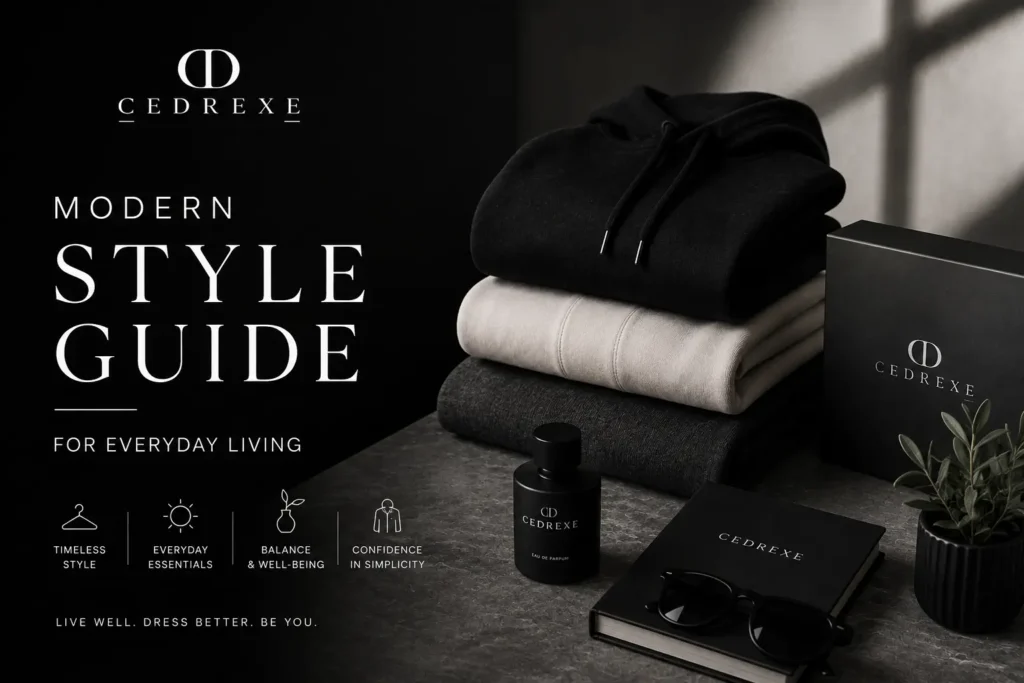
Modern Style Guide for Everyday Living
Aug
Style, at its best, isn’t something reserved for special occasions. It’s the everyday decisions: what you reach for on a Tuesday morning, how you dress for a weekend trip, what you layer on when the weather shifts. This guide is about building a modern, considered everyday style around premium clothing, so that getting dressed feels simple rather than stressful, and every piece in your wardrobe actually earns its place.
This isn’t a guide to trends. It’s a practical framework for dressing well, consistently, using pieces designed to last and to work together, which is the foundation of how CEDREXE approaches premium clothing.
Table of Contents
- What “Everyday Style” Really Means
- Why Premium Clothing Is the Right Foundation for Everyday Style
- The Foundations of Modern Everyday Style
- Dressing for Different Everyday Contexts
- Building Outfits Around Core Wardrobe Categories
- Seasonal Style: Adapting Premium Clothing Year-Round
- Practical Styling Formulas and Examples
- How to Shop for Everyday Style Without Overbuying
- Common Everyday Style Mistakes to Avoid
- Building a Personal Style That Lasts
- The CEDREXE Approach to Everyday Style
- Frequently Asked Questions
- Final Thoughts
What “Everyday Style” Really Means
Everyday style is the way you dress on ordinary days, not the outfit reserved for a wedding or a big presentation. It’s shaped by repetition, which is exactly why it deserves more thought than it usually gets. The clothes you wear most often have the biggest impact on how you feel and how you’re perceived, simply because of how frequently you wear them.
A modern approach to everyday style tends to share a few qualities:
- Consistency over novelty. A recognizable, personal style built on a handful of dependable pieces, rather than constantly chasing new trends.
- Function alongside form. Clothing that looks considered but also performs: moves with you, layers easily, and doesn’t require constant adjustment.
- Simplicity as a feature, not a limitation. Fewer, better pieces that combine in more ways than a closet full of one-off items ever could.
This is where premium clothing becomes relevant, not as a luxury indulgence, but as a practical foundation. Garments made with quality fabric and construction hold their shape and color through daily wear, which means your everyday style actually stays consistent instead of degrading piece by piece.
Why Premium Clothing Is the Right Foundation for Everyday Style
Everyday style depends on repetition, which means the clothing behind it has to hold up to repetition. This is where the case for premium clothing becomes practical rather than aspirational.
Consistency Through Repeated Wear
Lower-quality garments often look their best on day one and decline steadily from there: fading, pilling, or losing shape after a handful of washes. Premium clothing is built to resist this decline, which means the outfit you put together this month should still look and feel the same way six months from now.
Fewer Pieces, More Combinations
Because premium clothing is typically designed with versatility and timeless silhouettes in mind, a smaller collection of well-made pieces tends to generate more usable outfit combinations than a larger, inconsistent wardrobe. This is the practical logic behind pairing premium clothing with a capsule-style approach to dressing.
Comfort That Supports Daily Life
Everyday style has to move with you through a full day, not just look good standing still. Premium clothing designed around comfort and freedom of movement, rather than restrictive tailoring, tends to hold up better to the realities of a packed schedule, a commute, or a full day of errands.
A Style That Doesn’t Need Constant Refreshing
Because premium clothing tends to favor timeless design over short-lived trends, an everyday wardrobe built around it doesn’t need to be replaced every season to stay relevant. This is a meaningful practical advantage over trend-driven, fast-turnover dressing.
The Foundations of Modern Everyday Style
Before building specific outfits, it helps to understand the underlying principles that make everyday style work. Four foundations do most of the heavy lifting.
Fit
Fit is the single most influential factor in how an outfit looks and feels, more than fabric, color, or even the specific garment itself. A well-fitted t-shirt or pair of pants can look more polished than an expensive piece that doesn’t sit correctly on the body.
Modern everyday style tends to favor two fit philosophies: a relaxed, oversized silhouette for casual pieces like t-shirts and hoodies, and a clean, tailored fit for structured pieces like shirts and jackets. Understanding which fit works for which garment, and for your own body and comfort preferences, is the starting point for dressing well consistently.
Color Palette
A cohesive color palette is what makes a wardrobe feel intentional rather than random. Building around a small set of neutral, complementary colors (black, white, grey, navy, and one or two accent tones) means that almost any top can pair with almost any bottom, which dramatically simplifies daily dressing.
This doesn’t mean avoiding color altogether. It means being deliberate about which colors enter your wardrobe, so that new pieces integrate with what you already own rather than becoming a one-outfit item.
Example: A wardrobe built around black, white, grey, and navy can be given personality with one or two accent colors, an olive jacket or a burgundy knit, without disrupting the underlying versatility. The rule of thumb: an accent piece should still pair cleanly with at least two or three neutral items already in the wardrobe before it’s added.
Fabric and Texture
Fabric affects both how an outfit looks and how it feels throughout the day. Mixing textures, a structured cotton shirt with a soft knit, or a heavier fleece hoodie with a lighter woven jacket, adds visual depth to an otherwise simple, neutral outfit.
Premium clothing tends to offer more texture variety within a neutral palette, since fabric quality itself (rather than color or print) becomes a way to add interest to an outfit.
Layering
Layering is what makes a wardrobe adapt to changing weather and contexts without requiring separate outfits for every scenario. A well-chosen base layer (a premium t-shirt or long-sleeve shirt), a mid layer (knitwear or a sweatshirt), and an outer layer (a jacket) can be recombined to suit a wide temperature range and a wide range of settings.
Dressing for Different Everyday Contexts
Everyday style isn’t one uniform look. It has to flex across the different contexts that make up a normal week.
Work and Professional Settings
For most contemporary workplaces, the goal is polished but not stiff. A structured shirt or polo, paired with tailored pants and a clean pair of shoes, covers most professional settings without feeling overly formal. Knitwear layered over a shirt adds warmth and texture while keeping the look sharp.
Example: A crewneck knit sweater over a plain shirt, paired with tailored pants, works for both an in-office day and a client meeting, without requiring a separate “formal” wardrobe.
Casual and Weekend Dressing
Weekends call for comfort-first pieces that still look considered. Premium t-shirts, hoodies, and relaxed pants form the backbone of a good weekend wardrobe, especially when kept within the same neutral palette as your work pieces so they can be mixed and matched.
Example: An oversized t-shirt with relaxed pants and a cap creates an easy, put-together weekend look without any real styling effort.
Travel
Travel dressing rewards versatility and easy care. Fabrics that resist wrinkling, layer well, and don’t require special washing instructions make packing simpler and outfits more adaptable to unpredictable weather.
Example: A single versatile jacket, two or three t-shirts, one knit layer, and a pair of pants can realistically cover several days of travel across a range of temperatures and settings.
Smart-Casual and Evening Occasions
For settings that fall between fully casual and formal, dark knitwear, tailored pants, and a well-fitted jacket typically strike the right balance. The goal is to elevate, not formalize, the same foundational pieces used elsewhere in the wardrobe.
Example: Swapping a t-shirt for a shirt underneath the same jacket and pants used for work instantly shifts an outfit from daytime to evening-appropriate.
Working from Home and Low-Key Days
Not every day requires a “complete” outfit, but comfort-first dressing still benefits from a little structure. Choosing a well-fitted sweatshirt or knit piece over something shapeless helps maintain a sense of routine, even on days spent mostly at a desk.
Example: A knit crewneck with relaxed pants is comfortable enough for a full day at home, but still put-together enough for an unexpected video call or a quick errand.
Building Outfits Around Core Wardrobe Categories
Each category in a premium wardrobe plays a specific role. Understanding that role makes it easier to build outfits intentionally rather than piece by piece.
T-Shirts and Oversized T-Shirts
The most-worn item in most wardrobes, t-shirts work as a base layer under jackets and knitwear, or as a standalone piece in warmer weather. Oversized fits lean casual and relaxed, while fitted t-shirts layer more cleanly under structured pieces.
Shirts and Polo Shirts
Shirts and polos raise the formality of an outfit without requiring a full suit-level commitment. They work equally well tucked in for a more polished look or left untucked for something more relaxed.
Knitwear
Knitwear is one of the most versatile mid-layers available: warm enough to wear alone in cooler weather, and light enough to layer over a shirt or under a jacket. It also introduces texture into an otherwise simple outfit.
Hoodies and Sweatshirts
Hoodies and sweatshirts anchor casual, comfort-driven outfits and layer easily under jackets in colder weather. They pair naturally with relaxed pants or shorts for a complete, low-effort look.
Jackets
A single well-chosen jacket often does more for an outfit than any other single piece, instantly elevating a simple t-shirt-and-pants combination. Jackets are also the easiest way to adapt an outfit across a wide temperature range.
Pants and Shorts
Pants set the tone for an outfit’s formality. Tailored pants shift a look toward smart-casual, while relaxed pants or shorts keep things firmly casual. Having both in a neutral palette covers most everyday scenarios.
Tracksuits
Tracksuits offer a coordinated, comfort-first option for low-key days, travel, or athleisure-appropriate settings, without sacrificing a considered appearance.
Caps, Bags, and Accessories
Accessories are the easiest way to add personality to a neutral, foundational wardrobe. A cap, a well-made bag, or a simple accessory can shift the tone of an outfit without requiring a whole new set of clothing.
Thinking of Categories as a System, Not a List
The most useful way to approach these categories isn’t as a checklist to buy through once, but as an interconnected system. A jacket is only as versatile as the base and mid layers it’s paired with, and a pair of tailored pants is only as useful as the number of tops it can convincingly pair with. When adding a new piece to any category, the more useful question isn’t “do I like this on its own?” but “how many existing pieces will this realistically work with?”
Seasonal Style: Adapting Premium Clothing Year-Round
A well-built premium wardrobe should be able to move through the seasons through layering and fabric choice, rather than requiring a complete seasonal wardrobe overhaul.
Transitional Weather
Layering is the key tool for spring and autumn, when temperatures shift throughout the day. A t-shirt, a knit layer, and a light jacket combination allows you to add or remove layers as needed, without changing the overall outfit.
Warm Weather Essentials
In warmer months, lighter-weight t-shirts, shorts, and breathable knitwear take priority. Sticking to the same neutral palette used in cooler months keeps the wardrobe cohesive across seasons rather than fragmented into separate “summer” and “winter” collections.
Cool Weather Essentials
Cooler months call for heavier knitwear, sweatshirts, and structured jackets as outer layers. Because these are typically worn over the same base layers used year-round, a well-planned wardrobe often needs fewer additional pieces for winter than people expect.
A Layering Example Across a Single Day
Layering isn’t just a seasonal concept; it can adapt to temperature swings within a single day. A practical example: starting the morning in a t-shirt, knit layer, and jacket, then removing the jacket, and if needed the knit layer, as the day warms up, leaves you with a complete, presentable outfit at every stage rather than needing to change clothes entirely.
Practical Styling Formulas and Examples
Simple, repeatable formulas make everyday dressing easier without requiring a new decision every morning. A few reliable combinations:
- T-shirt + relaxed pants + jacket — a dependable, low-effort outfit that works for casual outings and errands
- Shirt + tailored pants + knitwear layer — a polished, work-appropriate combination that adapts easily to cooler offices or client meetings
- Hoodie + shorts or relaxed pants + cap — a comfort-first outfit suited to weekends, travel days, or casual errands
- Polo + tailored pants — a clean, smart-casual look appropriate for a wide range of daytime social settings
- Tracksuit + minimal accessories — an easy, coordinated option for travel or low-key days
The value of these formulas isn’t in following them rigidly, but in having a dependable starting point that removes decision fatigue on busy mornings, while still leaving room to adjust color, layering, or accessories to fit your personal style.
A Note on Building Outfits Around One “Anchor” Piece
A useful practical trick is to build outfits around a single anchor piece rather than trying to coordinate everything at once. Choose one item, a jacket, a knit sweater, or even a cap, and build the rest of the outfit in neutral tones that support it. This keeps the process simple and avoids the common trap of trying to make every piece in an outfit “match” perfectly, which often looks more forced than considered.
How to Shop for Everyday Style Without Overbuying
Building a considered everyday wardrobe isn’t about a single large shopping trip. It’s a gradual, deliberate process, and a few habits make it far more effective.
Shop Against a List, Not an Impulse
Before browsing, it helps to know which category actually needs a new piece: are you missing a versatile jacket, or do you already have three and actually need another base layer? Shopping with a specific gap in mind reduces the likelihood of ending up with duplicate or redundant pieces.
Prioritize Cost Per Wear Over Sticker Price
A slightly higher upfront cost is easier to justify when a piece is genuinely versatile and durable enough to be worn weekly for years, rather than occasionally for a season. Thinking in terms of cost per wear, rather than price alone, tends to produce better long-term wardrobe decisions.
Buy Fewer, More Deliberate Colors
It’s tempting to buy a favorite piece in every available color, but a wardrobe benefits more from variety in category (t-shirts, knitwear, jackets) than variety in color. Sticking to your established neutral palette keeps new purchases genuinely useful rather than novel for a single wear.
Give New Pieces a “First Outfit” Test
Before buying, it can help to mentally build at least two or three complete outfits using a potential new piece and items you already own. If it’s difficult to picture more than one outfit, it may be a less versatile addition than it first appears.
Resist Buying for a Single Occasion
Pieces bought for one specific event or trip often go unworn afterward. Favoring versatile pieces that work across multiple contexts, rather than occasion-specific purchases, keeps a wardrobe leaner and more consistently useful.
A few recurring mistakes tend to undermine otherwise good everyday style choices.
Prioritizing Trends Over Fit
Chasing a trending silhouette that doesn’t suit your body or comfort preferences usually looks less put-together than a well-fitted, timeless piece. Fit consistently outperforms trend relevance in everyday style.
Overloading the Wardrobe with One-Off Pieces
Statement items that only work with one specific outfit tend to sit unused far more often than versatile basics. A wardrobe weighted too heavily toward one-off pieces makes daily dressing harder, not easier.
Chasing Perfect Coordination Over Cohesion
There’s a difference between an outfit that’s cohesive and one that’s overly matched, where every piece is the exact same tone or clearly bought as a “set.” Everyday style tends to look more natural when pieces share a palette and quality level without being identical, allowing some contrast in texture and shade.
Ignoring Fabric Weight for the Season
Wearing fabric that’s too light for the weather (or too heavy) undercuts comfort and often looks mismatched with the season, regardless of how well the outfit is otherwise put together.
Underestimating Layering
Treating layers as purely functional, rather than part of the outfit itself, is a missed opportunity. A visible knit layer under a jacket, for example, adds texture and depth that a single top layer can’t.
Neglecting Garment Care
Even a well-chosen outfit loses its impact if the individual pieces are worn out, faded, or misshapen from improper care. Following care labels and rotating garments extends the useful life, and the appearance, of an everyday wardrobe.
Dressing for the Wardrobe You Wish You Had
It’s easy to buy for an idealized version of your routine rather than the one you actually have. A tailored piece bought for frequent formal events you rarely attend, for example, often goes unworn. Building a wardrobe around your actual week, not an aspirational one, keeps every piece genuinely useful.
Building a Personal Style That Lasts
A lasting personal style isn’t built overnight, and it isn’t built by following every trend as it appears. It’s built gradually, by paying attention to what you actually wear, what fits well, and what continues to feel right after repeated use.
A practical approach:
- Audit your current wardrobe. Identify which pieces you reach for consistently and which sit unused, and look for patterns in fit, color, and fabric.
- Replace gradually, not all at once. Prioritize replacing the pieces you wear most often first, since they have the biggest daily impact.
- Favor versatility over novelty. When adding new pieces, prioritize how many existing items they’ll pair with, not just how they look on their own.
- Reassess periodically, not constantly. Revisit your wardrobe every season rather than reacting to every new trend, which keeps your style consistent rather than reactive.
A worked example: Someone who notices they consistently reach for the same two t-shirts and one jacket, while several other items sit unworn, has effectively identified their real style preferences, whether or not those preferences match what they originally set out to buy. The next step isn’t to force variety for its own sake, but to invest further in what’s already proven to work: perhaps a second, similar jacket in a different neutral tone, or an additional t-shirt in the same well-fitting cut.
Over time, this approach produces a wardrobe that feels distinctly yours, built around pieces that perform well and reflect a consistent point of view, rather than a rotating collection of trend-driven purchases.
The CEDREXE Approach to Everyday Style
CEDREXE’s motto, Fashion That Moves With You, and tagline, Dress Free. Live Comfortably., reflect exactly the kind of everyday style this guide describes: clothing designed to support daily life, not compete with it.
Our approach is grounded in the same values across every category we design:
- Timeless Design — pieces that remain relevant well beyond a single season
- Comfort Without Compromise — everyday clothing that performs as well as it looks
- Freedom of Movement — silhouettes built for real, active daily life
- Simplicity and Confidence — a refined, understated aesthetic that supports personal style rather than dictating it
CEDREXE’s collection, spanning premium and oversized t-shirts, hoodies, sweatshirts, shirts, polo shirts, knitwear, jackets, pants, shorts, tracksuits, caps, bags, and fashion accessories, is designed to work as the kind of interconnected, versatile foundation described throughout this guide. Our unisex, all-ages approach reflects a simple belief: modern everyday style shouldn’t be complicated, and premium clothing should make daily dressing easier, not more demanding.
Frequently Asked Questions
What’s the difference between “everyday style” and “fashion”?
Fashion often refers to trends and seasonal collections, while everyday style refers to the consistent, personal way someone dresses day to day. Everyday style tends to prioritize fit, versatility, and comfort over following current trends.
How many outfits do I really need for a solid everyday wardrobe?
There’s no fixed number, but a well-built wardrobe of 15 to 20 versatile pieces, built around a cohesive color palette, can typically generate several weeks’ worth of distinct outfit combinations.
Is it better to buy trend pieces or timeless basics?
For everyday style specifically, timeless basics tend to offer better long-term value, since they remain wearable and relevant well beyond a single season. Trend pieces can still have a place in a wardrobe, but work best as small additions rather than the foundation.
How do I mix casual and formal pieces without looking mismatched?
Keeping all pieces within a shared, neutral color palette makes mixing casual and formal items (like a t-shirt under a tailored jacket) look intentional rather than accidental. Consistency in color and fit ties different formality levels together.
What’s the easiest way to elevate a casual outfit?
Adding a single structured piece, like a jacket or a knit layer, over a casual base (a t-shirt and relaxed pants, for example) is usually the fastest way to raise an outfit’s formality without changing the whole look.
How often should I refresh my everyday wardrobe?
Rather than refreshing on a fixed schedule, it’s more practical to replace pieces as they wear out or as your needs change, prioritizing versatile, well-made replacements over trend-driven purchases.
Can premium clothing work for a minimalist wardrobe?
Yes, in fact premium clothing is particularly well suited to minimalism, since durability and timeless design support a smaller, more curated wardrobe rather than requiring frequent replacement.
How do I avoid overbuying when building an everyday wardrobe?
Shopping against specific gaps in your wardrobe, rather than general browsing, and mentally testing whether a new piece can build at least two or three outfits with items you already own, are two of the most effective ways to avoid redundant purchases.
Should I dress differently for work-from-home days versus in-office days?
Not necessarily differently, but often more relaxed. Comfort-first pieces like knitwear or a well-fitted sweatshirt can maintain a sense of structure on home days, while still allowing for more flexibility than a full in-office outfit would.
Final Thoughts
Modern everyday style isn’t about having more clothing; it’s about having the right clothing, chosen with fit, versatility, and comfort in mind, and built to hold up to daily life. Premium clothing supports this approach by giving each piece in your wardrobe the durability and design integrity to actually deliver on repeated wear.
If you’re looking to build, or refine, an everyday wardrobe around considered, versatile pieces, we invite you to explore the CEDREXE collection and see how premium clothing designed to move with you can simplify the way you get dressed, every day.
